Map one lead from arrival to handoff
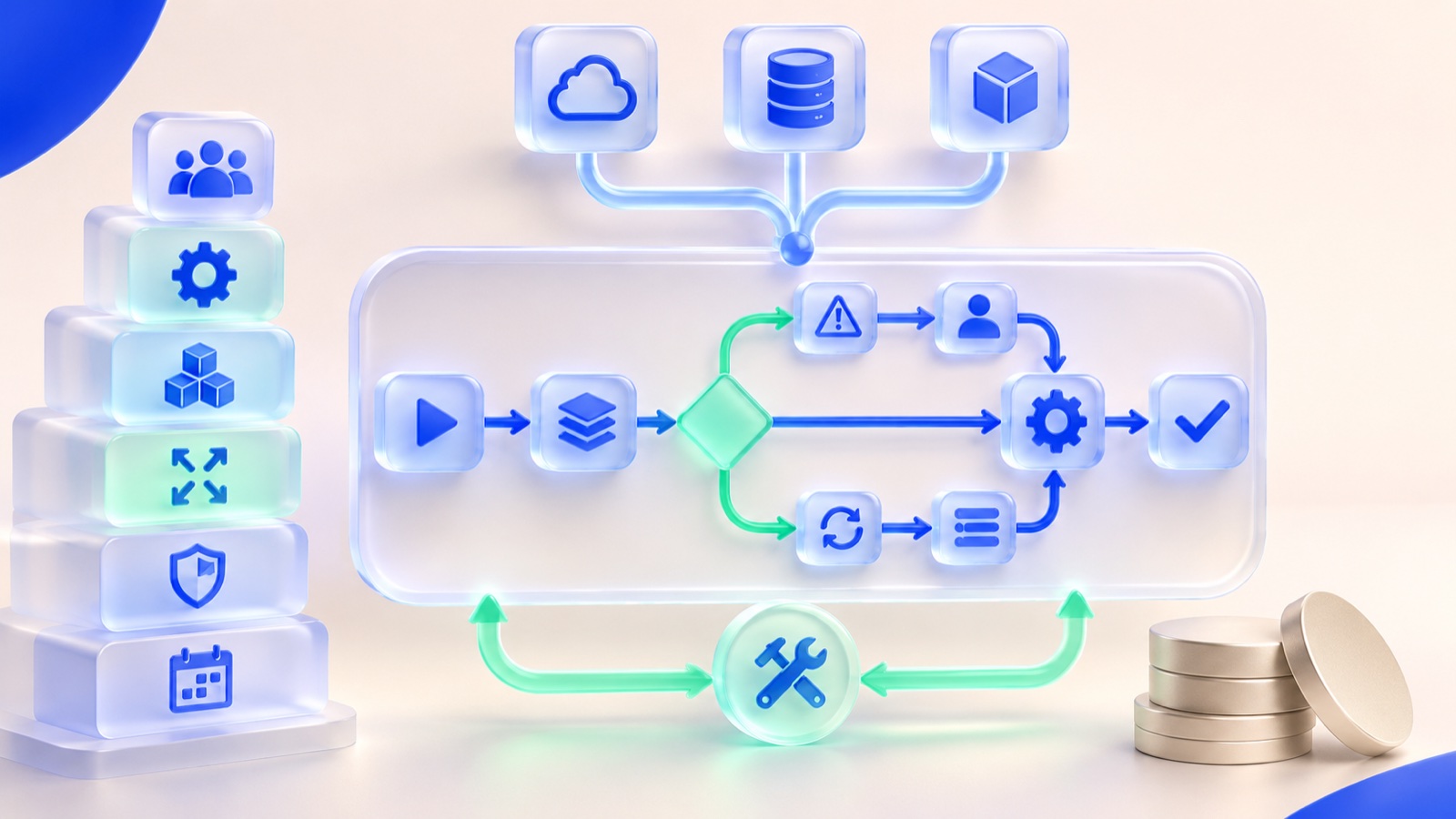
Suppose a prospect submits a website form after office hours. The form creates a CRM record with source, contact details and the service requested. The system checks for an existing record, assigns an owner, and sends an acknowledgment on the permitted channel. It then creates a task for a person to respond to the actual question. If the form submission fails, an alert reaches the team instead of silently dropping the lead.
Keep the first message useful: confirm receipt, state when a person will respond, and make it easy to correct contact details. A sequence of generic sales nudges cannot replace a real answer.
Design channel and consent rules
Email and WhatsApp have different technical and policy requirements. Store the source and time of consent, the channel selected, and the prospect’s opt-out status. Suppress further messages when someone opts out or when the conversation has moved to a person. For WhatsApp, check the current WhatsApp Business Messaging Policy and the rules of your chosen provider before sending automated messages.
Never assume that a website form gives permission for every channel. Keep message templates, sending windows and escalation rules explicit so staff can inspect them.
Handle failures and measure the right things
Build for duplicate forms, invalid numbers, messages that fail to deliver, CRM downtime and leads that reply to an automated message. Each case needs an owner. Use a queue that shows overdue inquiries and failed deliveries; retry only when it is safe to do so. Do not create duplicate CRM records on each retry.
Track the share of inquiries captured, time to first human response, unanswered inquiries, opt-outs and meetings that actually occurred. Measure by lead source so a fast auto-reply does not hide a slow human handoff. Review real conversations before expanding the sequence.
Start with one channel and one promise
Choose a single lead source, one acknowledgment and one human escalation rule. Test it with fake submissions, repeated submissions and an opt-out. Add more channels only after the team trusts the ownership and exception process. If a broader CRM and marketing plan is needed, see QTS’s Growth & Go-To-Market service.